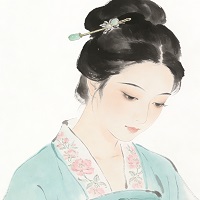
Was Wang Zhaojun's journey to the frontier truly voluntary?
The story about Wang Zhaojun, who is famous as one of China’s top four beauties, focuses on her trip in 33 BCE to marry the Xiongnu leader, and while folks often call it a selfless deed for national peace.
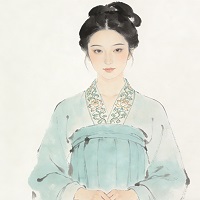
The story about Wang Zhaojun, who is famous as one of China’s top four beauties, focuses on her trip in 33 BCE to marry the Xiongnu leader, and while folks often call it a selfless deed for national peace, a huge question still sticks around: Was this leaving actually her own idea?
Old Records Show She Asked to Go
Ancient books, mainly theBook of Han, prove that Zhaojun made her own move because when Leader Huhanye came looking for a wife to lock in peace, Emperor Yuan said yes to giving him a lady from his group, and records say that right after hearing this order, Zhaojun stepped up on her own since she had spent years in the back palace never seeing the Emperor, likely because she said no to paying off the painter Mao Yanshou so he drew her badly, leaving her facing a lonely future where volunteering to be the main wife of a foreign boss offered a way out of being forgotten plus a shot at high rank, so her move was really a clever pick made with hardly any choices.
The Fake Idea of Choice: Hard Situations
Even though theBook of Han talks about a "request," today’s experts say that "doing it willingly" is a wrong thought for women in the old imperial harem since these ladies were basically owned by the state with no freedom to leave or pick their paths.
-
No Other Ways Out: For a lady who never got the Emperor’s love, the picks were terrible like working forever, dying unseen inside the palace, or getting sent to watch the emperor’s grave after he died.
-
Country Need: This marriage was a diplomacy trick heqin), and as soon as she volunteered, the result was set because the push to keep border safety for the Han Dynasty meant her "pick" was also a must-do job where saying no then would likely be impossible or punished hard.
So, even if she lifted her hand first, the call happened under massive system pressure with no real freedom.
Story Changes: From Doer to Sad Victim
In later times, mostly during the Yuan and Ming days, plays and shows (likeAutumn in the Han Palace) twisted her tale by turning Zhaojun from a sharp historical person into a weeping victim.
-
Tale of Force: Later myths often take away the choice part by showing her getting tricked by a bad artist, only spotted by the Emperor as she left, and pushed into exile against her wish while the king watched in hopelessness.
-
Sign of Sadness: This version stresses her deep hurt, missing home, and even killing herself in some stories rather than her doing well, and such swaps show later views that thought marrying "outsiders" was shameful by putting current fears onto her past.
Life With Nomads: A Real Deal
Different from sad myths, history facts hint Zhaojun fit in well, backing the thought that her first step was partly willing and useful.
-
Big Rank: She got the nameNinghu Yanzhi (Peaceful Lake Princess), holding big power among the Xiongnu, having kids, and helping keep decades of quiet between the two groups.
-
Culture Link: Rather than rotting in grief, she seemed to hug her role by bringing Han farming ways and customs to the grasslands, and her skill to grow strong in a harsh, new spot shows a toughness that does not match the picture of a purely forced captive.
Final Thoughts
Did Wang Zhaojun really pick to leave? Yes, but with big walls.
History says she likely volunteered as a smart way to dodge the dead-end life of an ignored maid by grabbing a unique shot for purpose and rank, but this "pick" happened inside a strict, tough system where she controlled little of her fate beyond the few paths the state gave.